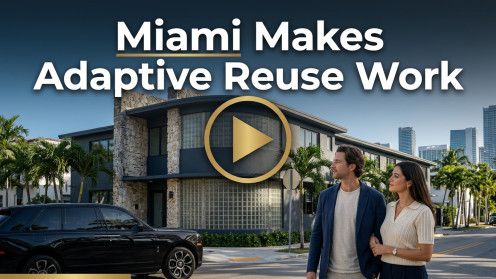
One of the most exciting trends I’m seeing in Miami real estate is the way adaptive reuse is transforming neighborhoods—especially in areas like the MiMo district. Take that restored 1953 hotel, for example: its revitalization hasn’t just preserved a piece of Miami’s character, it’s actually helped spark new investment and cultural buzz throughout the area. In fact, a developer study showed that property values within a mile of the project jumped about 45% over five years, well above the nationwide average of 27%.
It’s not just about housing, either. Miami’s creative projects include everything from pairing a museum with retail in Little River, to turning a 1962 warehouse in Midtown into a vibrant space for tenants. These kinds of projects tap into Miami’s authentic vibe—familiar buildings evoke emotion and memory, giving any investment a compelling story that draws in visitors and tenants alike.
While costs for adaptive reuse can sometimes surpass ground-up construction, incentives like preservation perks, grandfathered parking, tax breaks, and the unique spaces themselves have helped make these projects a smart way to bring properties back into play. Having spent years helping international investors find high-potential opportunities here, I see firsthand how these stories—and the numbers behind them—can turn older properties into engines for long-term wealth.
Leave a Reply